How NDIS Exercise Physiology Can Help People with Disability
Maintaining physical health and mobility can be challenging for individuals living with a disability. Fortunately, NDIS exercise physiology provides tailored solutions to improve physical function, wellbeing, and independence. Through specialized exercise physiology services, accredited NDIS exercise physiologists develop evidence-based exercise programs designed to support people with disabilities in achieving their health and mobility goals.
Understanding NDIS Exercise Physiology
Exercise physiology is a clinical discipline that focuses on improving physical health through structured exercise programs. Unlike personal trainers, exercise physiologists have a strong scientific background and are qualified to work with individuals with complex health conditions. NDIS exercise physiologists specialize in supporting people with disabilities by developing targeted exercise physiology programs that address their unique needs.
The NDIS (National Disability Insurance Scheme) funds exercise physiology services for eligible participants, helping them to improve their mobility, strength, and overall quality of life. These services are crucial for individuals managing chronic conditions, physical limitations, or neurological disorders.
How NDIS Exercise Physiologists Support People with Disability

1. Developing Tailored Exercise Physiology Programs
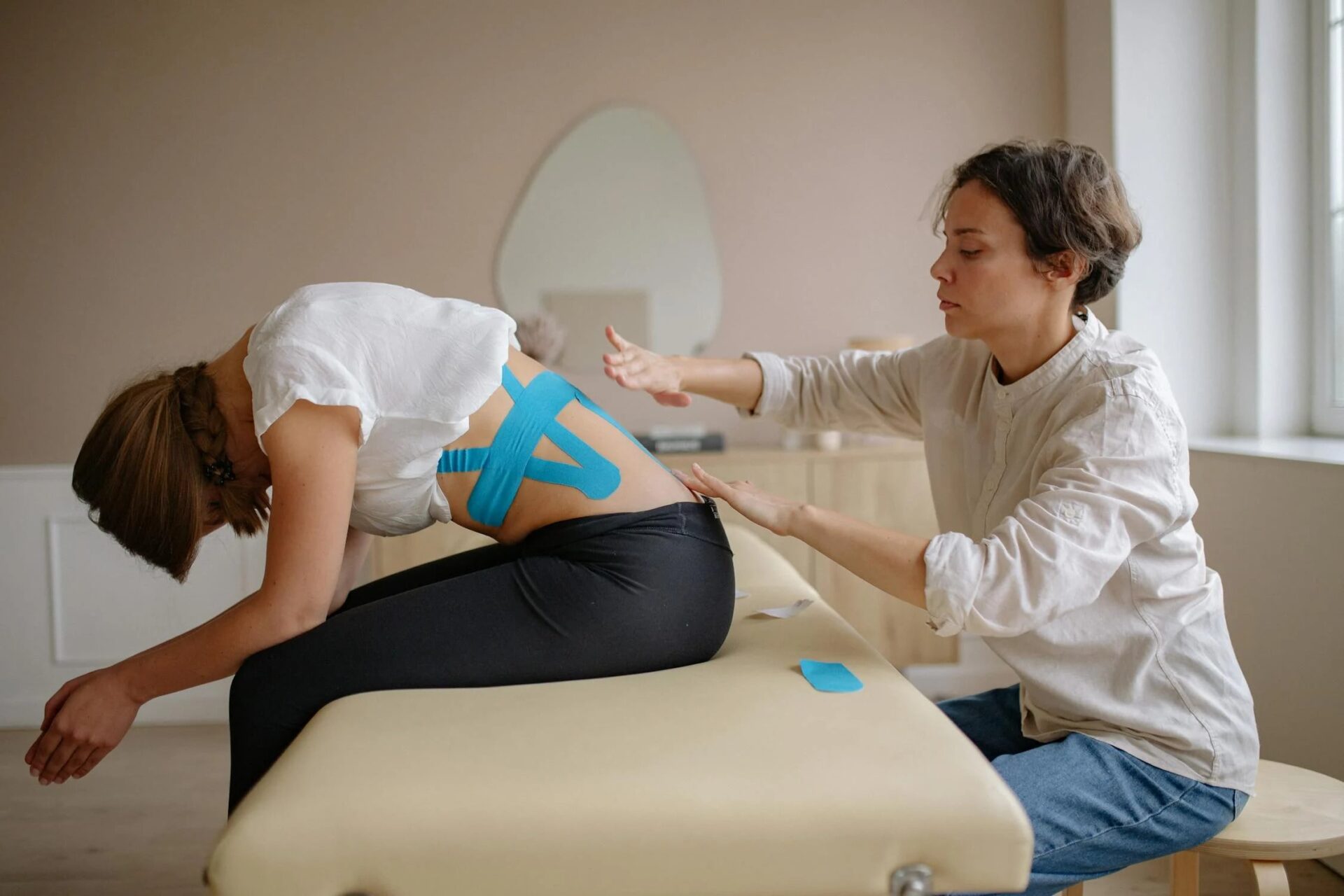
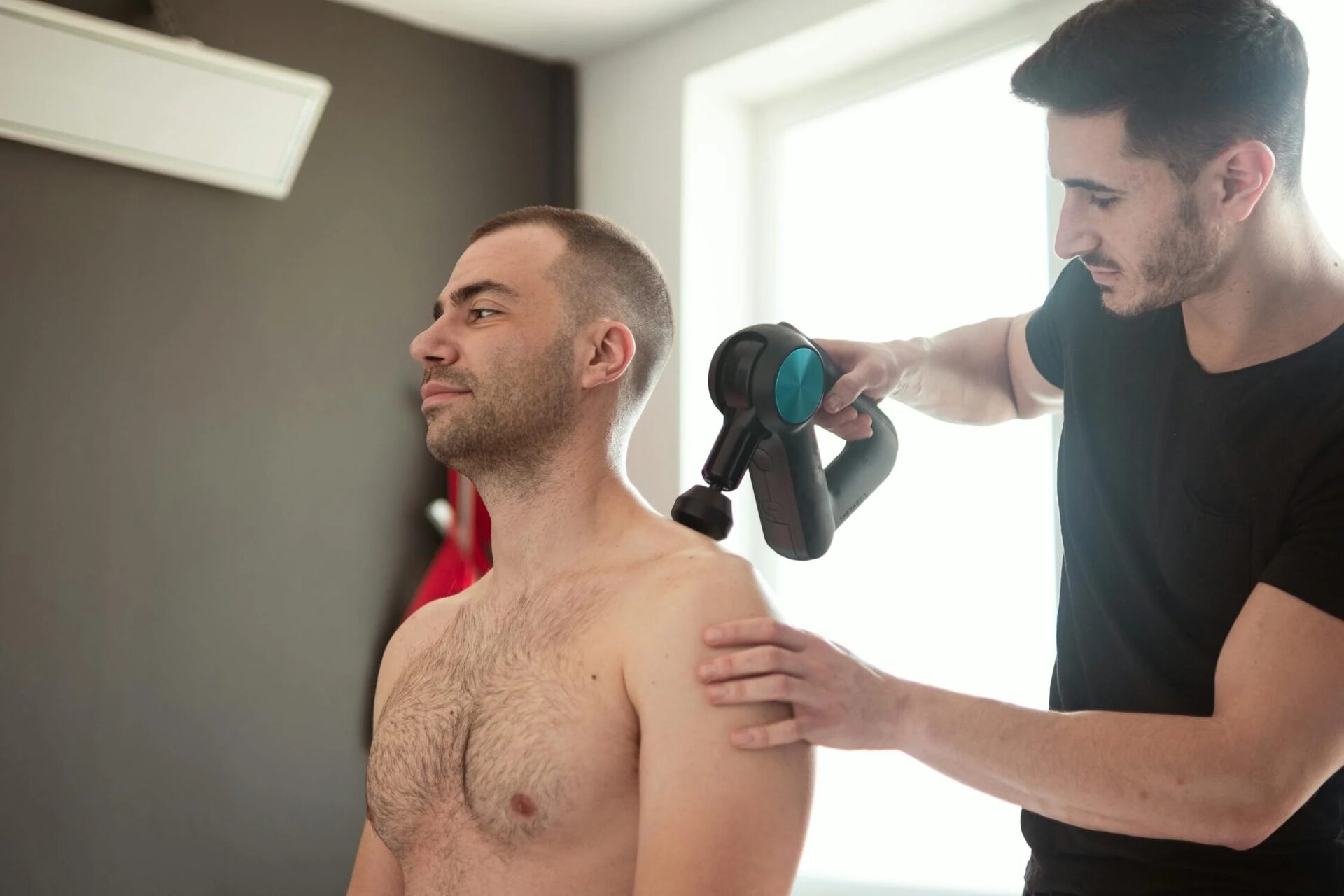
Each person's disability and health status are unique, requiring a customized exercise physiology program. Accredited NDIS exercise physiologists assess individual needs and create structured exercise programs that align with NDIS goals. These programs focus on:
- Enhancing strength and flexibility
- Improving balance and coordination
- Managing chronic pain and fatigue
- Encouraging regular physical activity
- Boosting independence and functional movement
- Preventing secondary health complications associated with inactivity
2. Managing Chronic Health Conditions
Many people with disabilities experience chronic health conditions, such as cerebral palsy, multiple sclerosis, spinal cord injuries, or musculoskeletal disorders. Clinical exercise physiologists use exercise physiology services to improve symptoms, increase mobility, and support overall health management. These evidence-based interventions help individuals improve their quality of life by reducing pain, increasing movement efficiency, and enhancing daily function.

Regular exercise physiology appointments ensure that clients receive continuous support and progress monitoring, helping them adapt to changes in their physical condition over time.

3. Assisting with Behaviour Support and Mental Health
Regular exercise has proven benefits for mental health. Exercise physiologists work alongside behavioural therapists to integrate behaviour support strategies into exercise physiology programs. Structured exercise programs can help manage stress, anxiety, and depression while promoting positive behavioural changes.
For individuals experiencing social isolation or low confidence, participating in exercise physiology services can provide a sense of community and empowerment, improving overall mental wellbeing.
4. Supporting Mobility with Assistive Technology
Many NDIS exercise physiologists incorporate assistive technology into their exercise physiology services. This may include:
- Mobility aids (e.g., walkers, braces, wheelchairs)
- Adaptive fitness equipment
- Wearable movement-tracking technology
- Virtual rehabilitation programs
These tools help individuals participate in exercise programs safely and effectively, allowing them to gain confidence in their physical abilities. Assistive technology ensures that individuals with severe physical limitations can still engage in structured exercise programs designed to enhance their mobility and strength.
5. Collaborating with Other NDIS Services
Accredited NDIS exercise physiologists often collaborate with other NDIS providers, including occupational therapists, physiotherapists, and behavioural therapists. This multidisciplinary approach ensures that exercise physiology services align with broader health and mobility goals, offering a comprehensive support system for individuals with disabilities.
By integrating exercise programs with other health services, participants receive holistic care that addresses both their physical and psychological needs.






Accessing NDIS Exercise Physiology Services
1. Checking Eligibility for NDIS Exercise Physiology Services
To access NDIS exercise physiology under the NDIS, individuals must meet eligibility criteria. NDIS participants who experience difficulties with mobility, strength, or endurance due to a disability may qualify for funded exercise physiology programs.
2. Obtaining an NDIS Referral Form
Participants must submit an NDIS referral form to start exercise physiology services. This form allows the NDIS to assess the individual's needs and approve funding for exercise physiology appointments.
Once the referral is approved, funding may be allocated under the NDIS support categories, such as Improved Health and Wellbeing or Improved Daily Living, depending on the participant's specific needs.
3. Booking an Exercise Physiology Appointment
Once approved, individuals can schedule an exercise physiology appointment with an accredited exercise physiologist. During the initial assessment, the NDIS exercise physiologist will evaluate the individual's current abilities, set realistic goals, and create a tailored exercise physiology program.
The initial consultation may include:
- Comprehensive movement and functional assessments
- Discussion of medical history and current physical limitations
- Goal setting for mobility and fitness improvements
- Education on safe and effective exercise techniques
Regular follow-ups ensure that exercise physiology programs remain effective and are adjusted as necessary to meet evolving health needs.
The Benefits of NDIS-Funded Exercise Physiology Programs
1. Improved Strength and Mobility
Customized exercise physiology programs help individuals build strength, improve movement, and increase independence. These benefits lead to greater participation in daily activities and reduced reliance on mobility aids.
2. Enhanced Quality of Life
Through targeted exercise programs, exercise physiologists help individuals develop healthy lifestyle habits, reducing the risk of secondary health issues such as obesity, cardiovascular disease, and diabetes. Regular physical activity is essential for maintaining long-term wellbeing.
3. Greater Independence
A structured exercise physiology program enables people with disability to enhance their self-sufficiency, reducing the need for external support services over time. By improving functional movement, individuals gain the ability to perform daily tasks with ease and confidence.
4. Holistic Health Improvement
Exercise physiology services focus on physical health but also contribute to mental and emotional wellbeing. Physical activity promotes a positive mindset and greater overall confidence.
Choosing the Right NDIS Exercise Physiologist
When selecting an NDIS exercise physiologist, consider the following:
- Qualifications and Experience: Ensure the exercise physiologist is accredited and experienced in working with NDIS participants.
- Personalized Approach: Look for a provider who tailors exercise programs to the individual's needs rather than using a one-size-fits-all method.
- Integration with Other Services: The best exercise physiologists collaborate with other health professionals to provide a holistic approach to disability management.
- Proven Track Record: Seek testimonials or success stories from other NDIS participants who have benefited from exercise physiology services.

Take the Next Step Towards Better Health
NDIS exercise physiology services empower individuals with a disability to take charge of their health through structured exercise programs. By working with qualified NDIS exercise physiologists, individuals can enhance their mobility, manage chronic conditions, and enjoy a better quality of life. If you or someone you know could benefit from exercise physiology services, start by obtaining an NDIS referral form and booking an exercise physiology appointment today.
Whether the goal is to improve strength, manage pain, or increase independence, accredited exercise physiologists provide the expertise, guidance, and support needed to achieve lasting health benefits. Invest in your wellbeing with an exercise physiology program designed to help you thrive under the NDIS.